Choosing · 5 min read
Choosing a colour
Ivory against gold, oxblood against a night baraat, and why the screen you are reading this on is lying to you.
4 August 2026
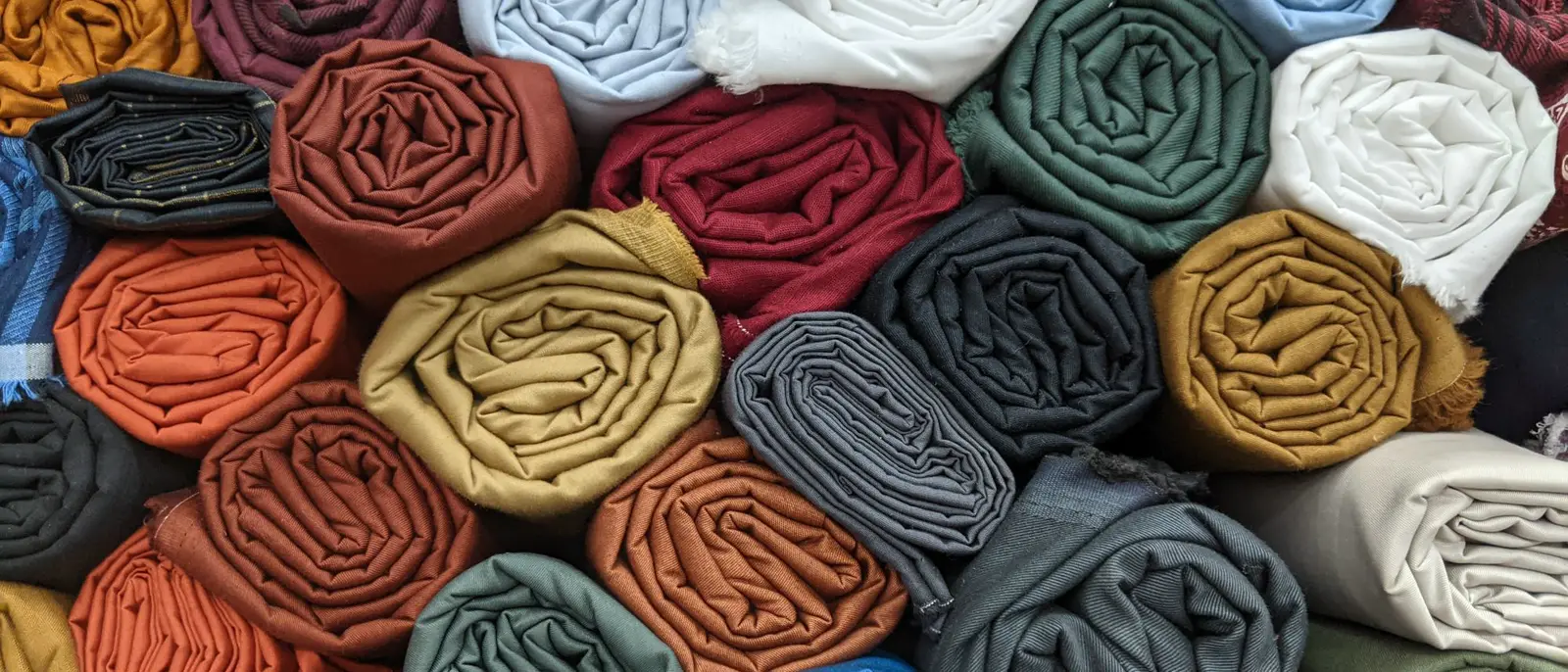
Almost every colour disappointment we have caused came from the same place: someone chose from a photograph. A screen is a light source, cloth is a surface, and the two cannot agree. Raw silk in particular has a matte, slightly uneven face that a camera reads as flatter and brighter than your eye does in a room.
Start with what is already decided
Usually the bride's outfit exists first, and the flowers and the venue lighting are settled. Those three are your constraints, and they narrow things faster than a colour wheel does. Bring us a photograph of the lehenga in daylight and one under indoor light, and we will shortlist from that.
What we reach for, and when
- Ivory and cream — the safest thing against heavy gold work, and the one that photographs best in bright daylight. Reads formal without shouting.
- Oxblood and deep maroon — for an evening baraat or a winter reception. Velvet in this range is extraordinary under warm light and dead under fluorescent.
- Midnight and navy — the bandhgala colours. If you want to wear the piece again to something that is not a wedding, this is the one.
- Sage, pista and powder — daytime mehendi and haldi. Cotton-silk rather than raw silk, because the ceremony is outside and it is April.
- Black — asked for often, and we will make it, but say it out loud first. Some families read black at a wedding as wrong, and it is better to have that conversation now than at the pheras.
Ask for swatches. Actually ask.
They are free, including the postage, anywhere in the world. Hold the cloth next to the lehenga, in the room you will be photographed in if you can, and once at night under whatever the venue uses. It costs you a week and it is the single highest-value thing you can do before we cut.
It is cheaper for us to post you cloth than to re-cut a sherwani in a colour you did not expect.